Patent law services for Bay Area inventors
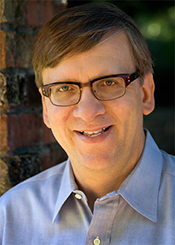
Drawing on his multidisciplinary background, patent lawyer Michael E. Woods translates the excitement of a new invention or innovation into a successful patent application. With his extensive network of trusted patent searchers, drafters and attorneys, he provides Bay Area inventors with the comprehensive services of a large firm without the associated bureaucracy and overhead.
As YourPatentGuy, Michael guides you through the complex patent process performing any necessary U.S. searches and prosecuting patent applications including drafting, filing and examination/reexamination. His patent law services include claim evaluation, patent infringement, litigation support, design-around, and licensing as well as efficient portfolio development and management.
Counseling clients in a wide range of technologies
An inventor and technologist, Michael brings an insider’s perspective to your patent project.
He specializes in writing patents for emerging and established technologies that his clients are passionate about, including:
- Computer hardware, software, communications
- Eco-friendly products and methods
- Security systems for portable computers and gear
- Satellite technologies
- Medical devices and procedures
- Child learning devices
- Toys and amusement systems
- Tools and gadgets — mechanical/electromechanical
- Photographic systems — tripods, mounting and carrying systems
Call for a free consultation
Got questions about the patent process? YourPatentGuy will talk with you for up to an hour to give you the 411. He’ll answer your questions about the patent process from conception to deriving revenue from your idea, and cover such topics as:
- should you worry about someone stealing your idea
- is this the right time for you to start the patent process
- should you consider international protection
- do you need to have the USPTO publish your application
- how to get patent pending status on your idea as quickly as possible
- how to obtain the best patent protection for your idea
- do you need a patent search
For an appointment, contact Michael today